
Pregnancy Handbook
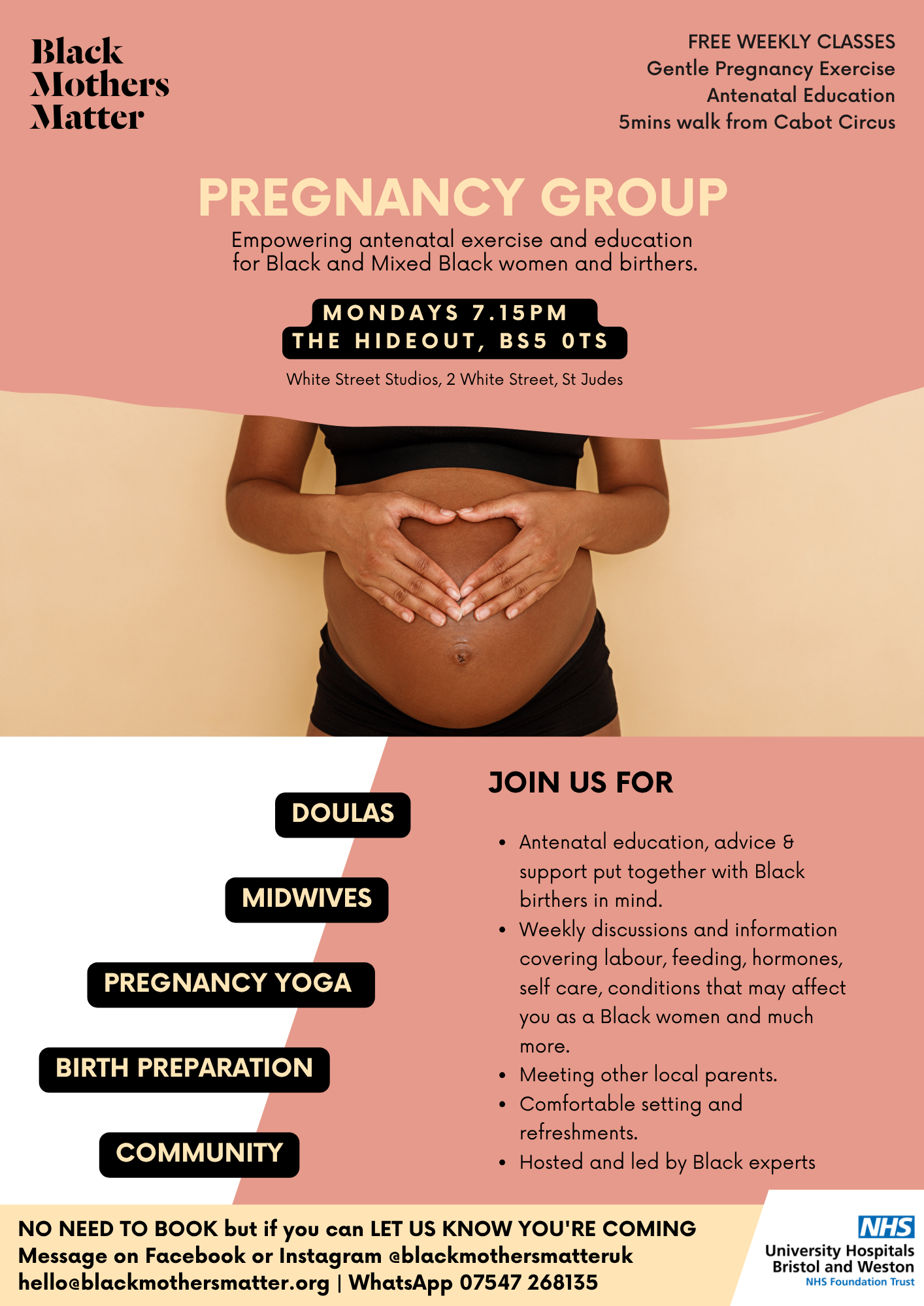
In 2024 Black Mothers Matter received pilot funding from University Hospitals Bristol and Weston (UHBW) to design and deliver enhanced antenatal support for our community of women racialised as Black or Mixed Black.
It was a chance to respond directly to the gaps and needs that Black women had been raising with us and issues identified by colleagues.
Our aim was simple but important, provide truly enhanced care. Care that recognised and addressed the unique needs and experiences of Black pregnant women.
We created a programme that:
Offered a familiar, accessible location that felt “nice”
Was free to attend with no expectations or minimum commitment
Provided opportunities for community members and healthcare professionals to come together
We delivered:
Antenatal movement and exercise
Antenatal education through a Black lens
Mental health check-ins and monitoring
Signposting to other support and services
And clear communication that this does not replace antenatal appointments or NHS support
What made this programme powerful was not just what we offered - it was how it was delivered.
The flexibility granted by UHBW meant we could offer support that felt like it came from “us” rather than from “the system.”
At Black Mothers Matter, we have the privilege of witnessing Black joy and love every single day through our work. Promoting, celebrating, and protecting that joy is not just uplifting - it is and essential part of our work. Our community deserves to see and feel nothing less, especially in pregnancy.
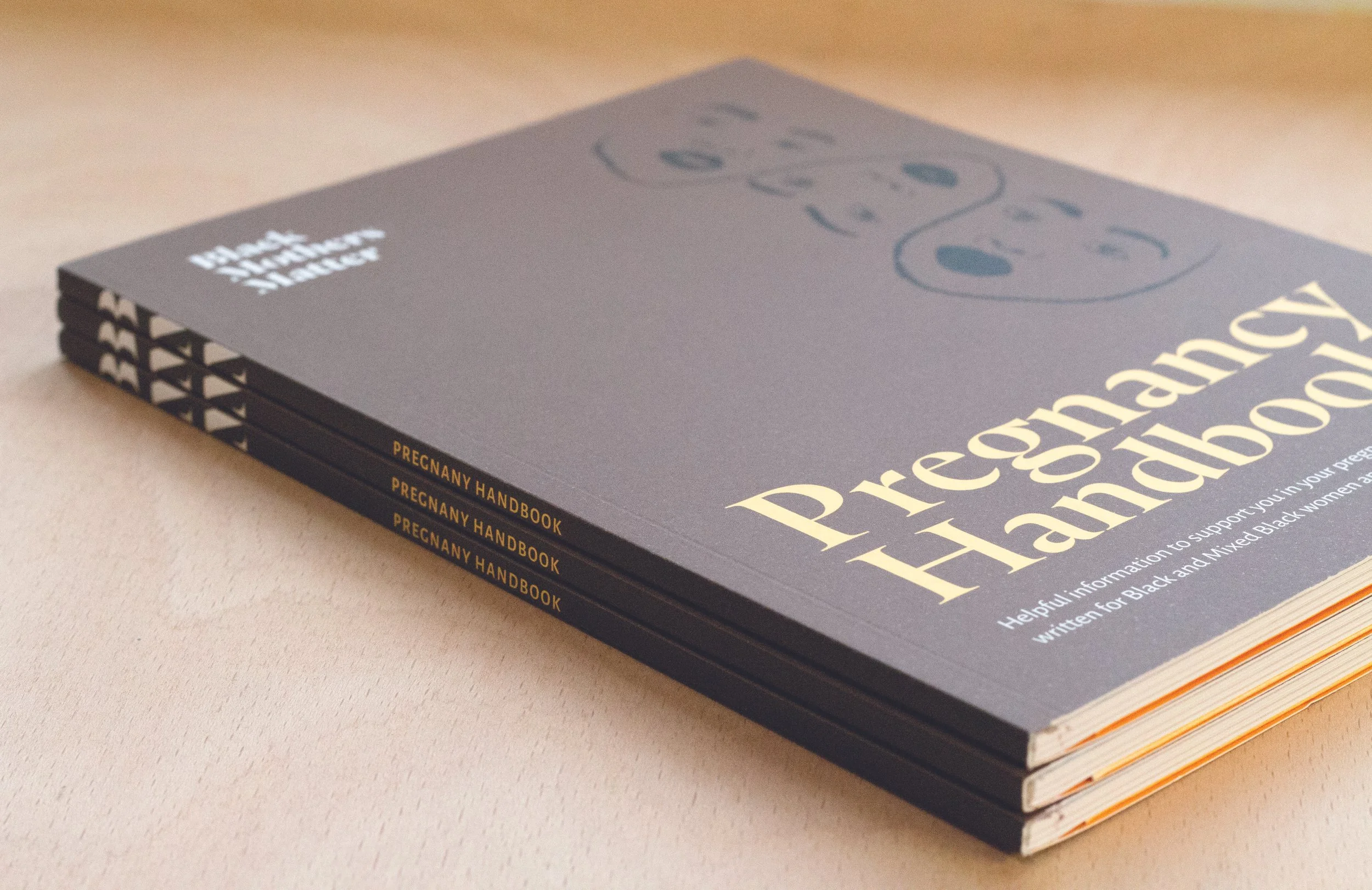
We developed some more representative resources for the sessions. They were a huge hit and their popularity inspired us to create the Black Mothers Matter Pregnancy Handbook.
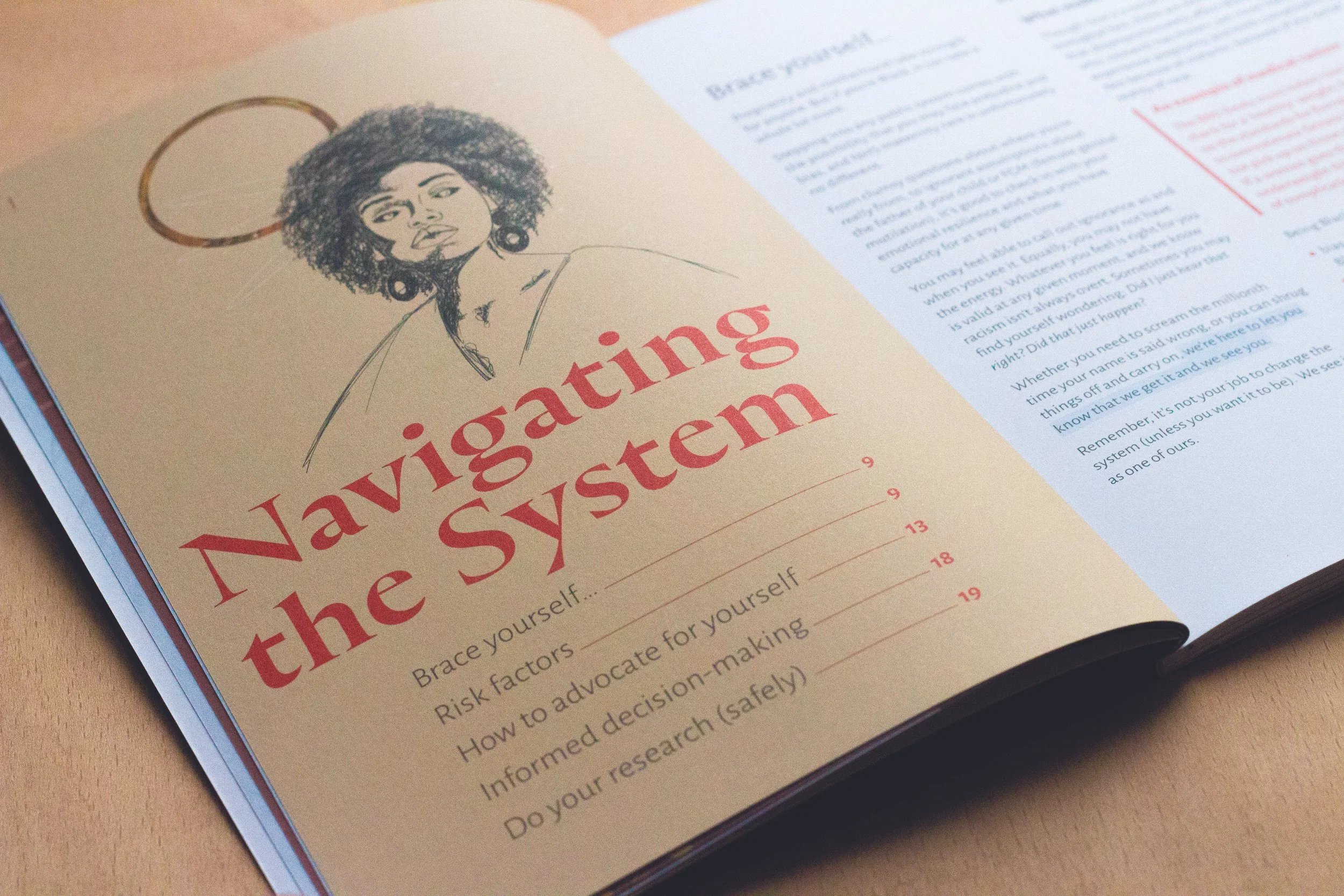
We created this 52 page resource to capture the key themes and conversations from the sessions, providing information and signposting to relevant services.
As a standalone handbook, it ensures the findings and learnings from the pilot extend beyond the sessions themselves, allowing them to be carried forward and used as a tool to support even more Black women and birthers.
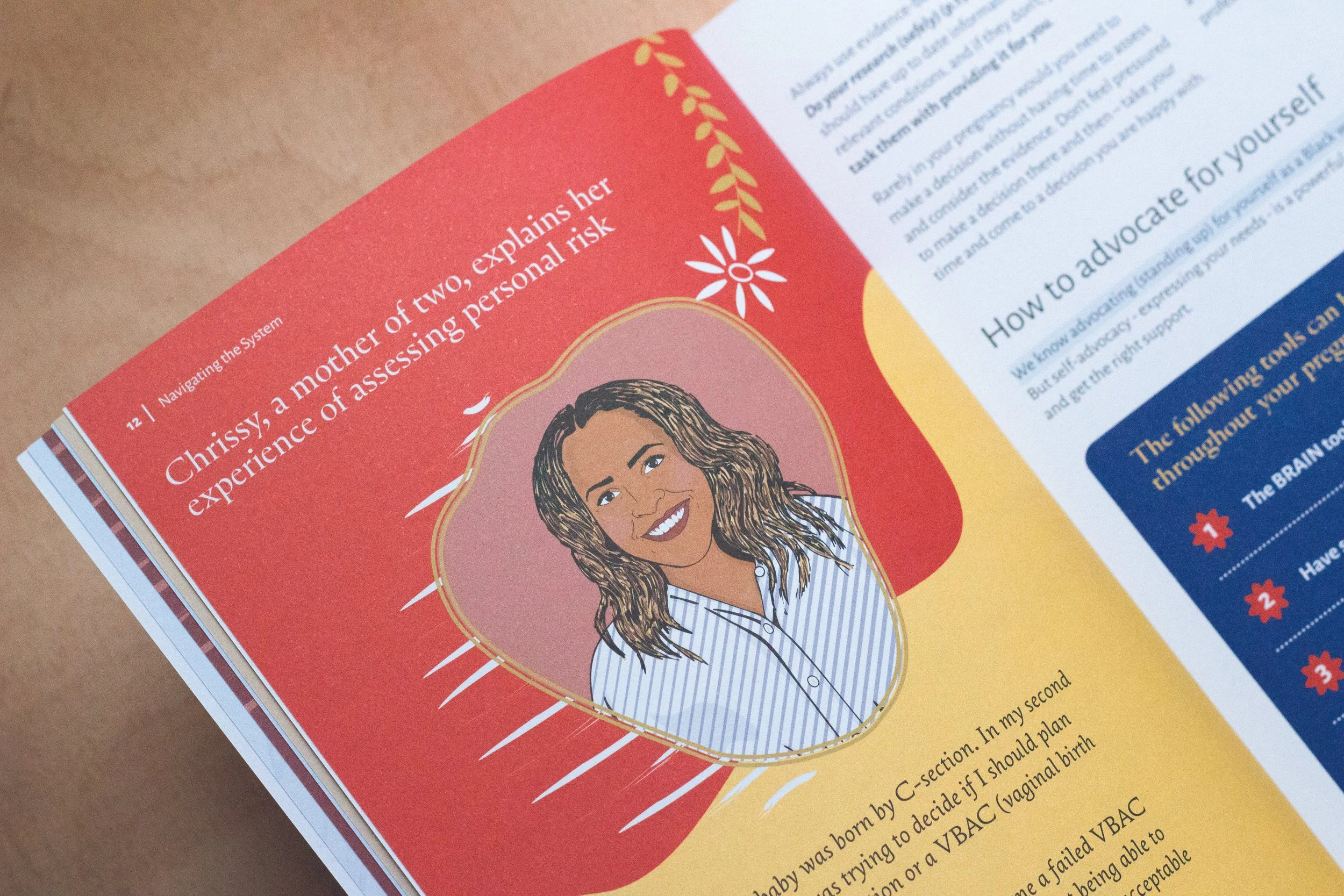
Session participants played an active role in shaping the content. Here, Chrissy talks about her approach to risk, drawing directly from a real conversation we had during one of the sessions.
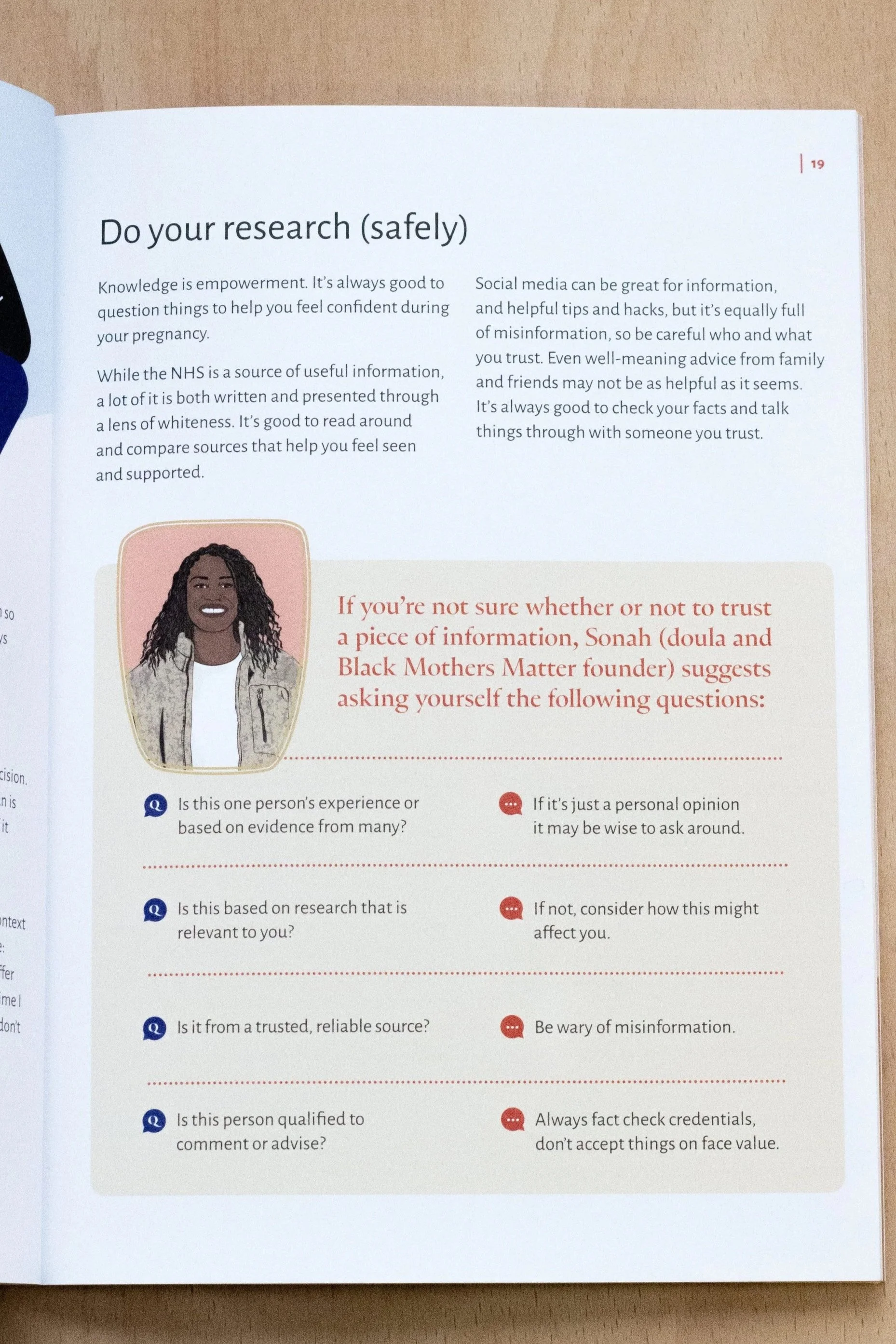
Another rich conversation focused on mistrust of NHS guidance and people doing their own research. Given the volume of misinformation available, we recognised how important it was to help people navigate their own research.
This is great example of what meaningful collaboration can look like. Black Mothers Matter and UHBW coming together with trust, respect and shared purpose.
A relatively simple and small project but with huge potential impact. The mere existence of the handbook tells Black mothers that they and their experiences matter.